As an Amazon Associate we earn from qualifying purchases. Learn more.
How to Keep Lunches Cold in a Backpack Without a Big Cooler (2026)
Trying to keep a lunch cold in a backpack without hauling a bulky cooler is a common problem for commuters, parents, and day-hikers. This guide shows how to combine insulated lunch bags, reusable ice packs, and insulated daypacks — plus a small portable ice chest when you need extra cooling — to keep food safe for 6+ hours. You'll learn practical packing strategies and see three portable coolers that work well in hybrid setups. Products were chosen for insulation materials, included ice packs, portability, customer feedback on size/durability, and how easily they integrate with daypacks and soft lunch bags.
Quick Answer
Yes — pairing a well-insulated container with frozen reusable ice packs and an insulated daypack keeps lunches cold for 6+ hours. The Life BROS 11Qt/19Qt Insulated Portable Cooler (B0CSNQ9KQ5) stands out because its thick EPS insulation and lid-mounted ice packs deliver longer ice retention and make staging frozen packs and lunch bags quick and simple.
Our Top Picks
Quick Comparison
Select 2-3 products to compare side-by-side
| Compare | Product | GearGavel Score | Price Tier | Key Feature | Best For | Action |
|---|---|---|---|---|---|---|
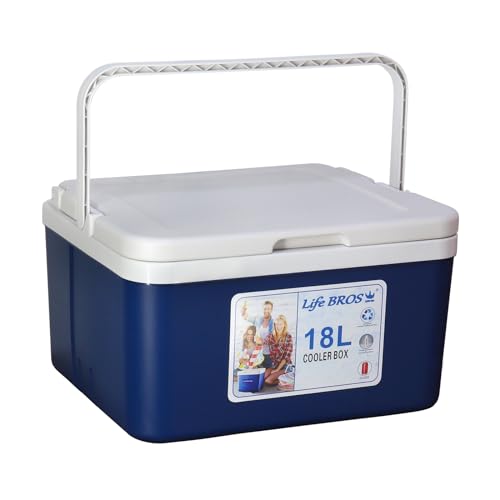 Life BROS 19Qt Cooler |
Premium | EPS insulation + lid-mounted ice packs | Day trips needing strong ice retention | Check Price | ||
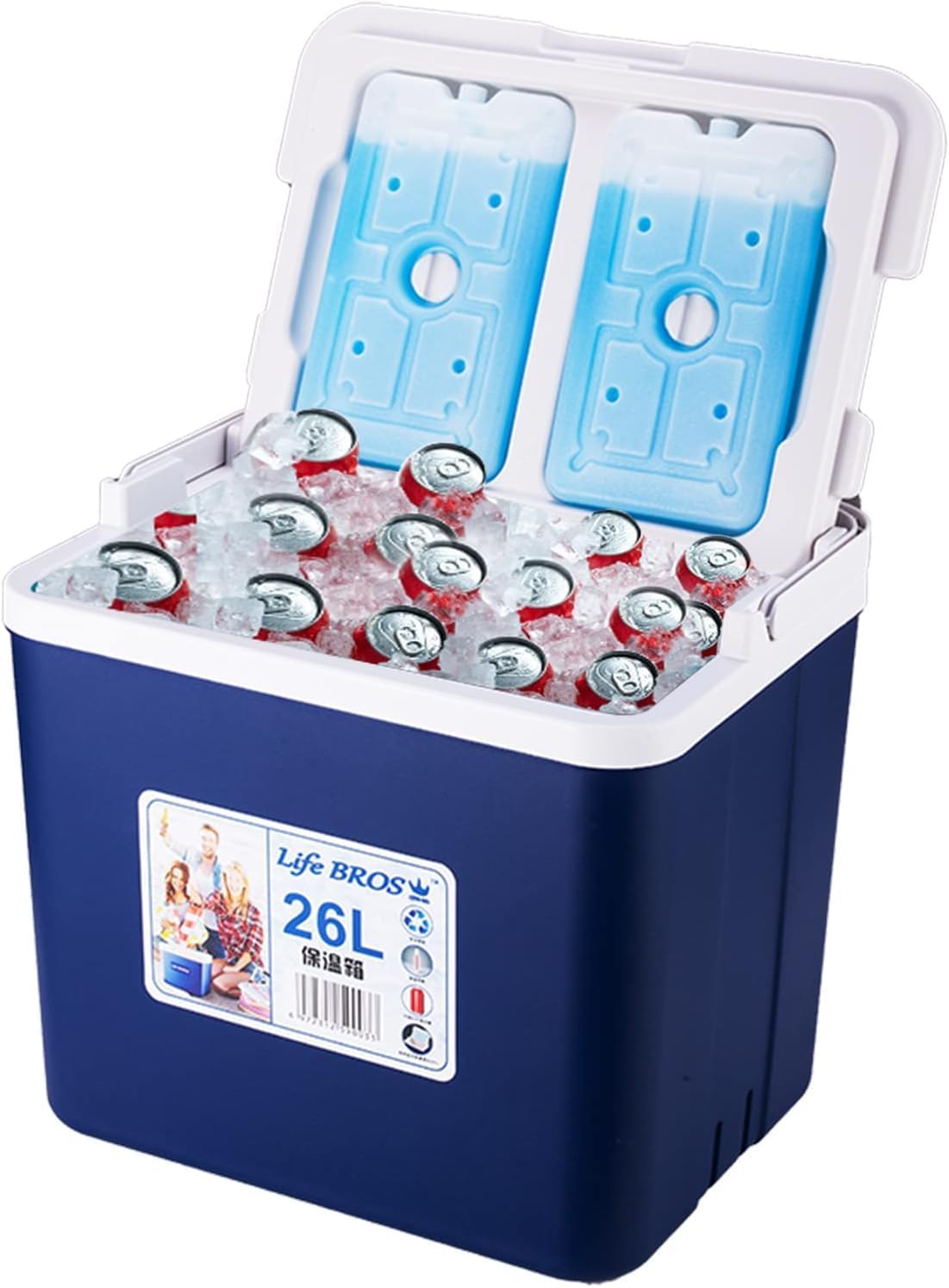 Life BROS 27Qt Cooler |
Premium | 27-quart capacity with flip-out lid | Longer outings or larger lunches | Check Price | ||
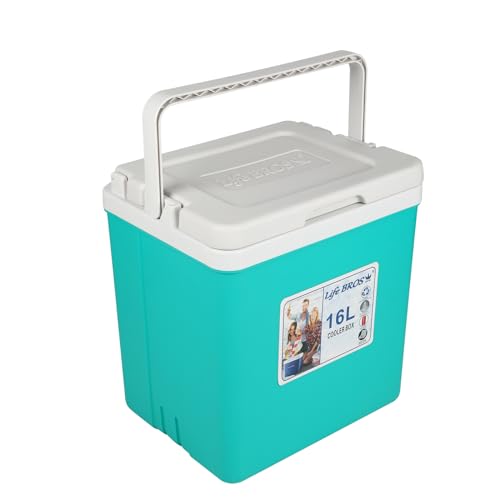 Life BROS 17Qt Cooler |
Mid-Range | Compact 17Qt with two lid ice packs | Single-person lunches and short day hikes | Check Price |
1. 11Qt 19Qt Insulated Portable Cooler Leak-Proof Ice Chest Lunch Box Hard Coolers with Extra Ice Pack for BBQ, Camping, Pincnic
This 19Qt hard cooler uses an EPS insulation layer and buckle-mounted reusable ice packs to maximize cold time. It solves the backpack-lunch problem by giving you a reliable source of frozen packs you can stage in an insulated lunch bag or daypack and by protecting contents with a sealed lid that limits heat exchange.
Key Specs
- Capacity: 19 quart (holds multiple cans/bottles per features)
- Construction: PE exterior, EPS insulation layer, food-grade PP interior
- Included: Reusable lid-mounted ice packs (2)
- Design: Flip-top lid with sealed insulating cover
Pros
- Thick EPS layer offers strong thermal resistance
- Reusable ice packs buckle to lid to save interior space
- Durable PE exterior resists wear for frequent use
Cons
- Some users report the lid can be hard to open
- Mixed feedback on exact multi-day ice retention under heavy load
Best For: Day trips needing strong ice retention
Check Latest Price on Amazon2. 11Qt 19Qt Insulated Portable Cooler Leak-Proof Ice Chest Lunch Box Hard Coolers with Extra Ice Pack for BBQ, Camping, Pincnic
The 27Qt model expands capacity while keeping the same EPS insulation and lid-mounted ice pack approach. For anyone packing multiple meals or catering a group, it provides space to stage insulated lunch bags and more frozen packs — improving overall cold time when used inside an insulated daypack or car trunk.
Key Specs
- Capacity: 27 quart (larger internal volume)
- Construction: PE exterior, EPS interior insulation
- Included: Long-lasting reusable ice pack fastenable to lid
- Design: Flip-out lid and ergonomic handle for carrying
Pros
- Large internal volume fits extra lunch bags and packs
- Ergonomic handle and flip-out lid for easy access
- Sturdy PE shell holds up to rougher outdoor use
Cons
- Heavier when loaded — not ideal for ultralight backpacking
- Ice retention reports are mixed depending on ice-to-food ratio
Best For: Longer outings or larger lunches
Check Latest Price on Amazon3. 11Qt 19Qt Insulated Portable Cooler Leak-Proof Ice Chest Lunch Box Hard Coolers with Extra Ice Pack for BBQ, Camping, Pincnic
The 17Qt model is the most compact option and the best value for everyday lunches. Its flip-top access and two buckled ice packs let you stage frozen packs around an insulated lunch bag inside a daypack, keeping perishable items chilled for extended periods without a large cooler.
Key Specs
- Capacity: 17 quart (compact footprint)
- Construction: PE exterior, EPS insulation layer, food-grade PP interior
- Included: Two reusable ice packs that buckle in lid
- Design: Flip-top lid and ergonomic handle
Pros
- Compact size fits tighter spaces or a car seat
- Good build quality for the price and frequent use
- Includes two ice packs to surround food strategically
Cons
- Some users note the lid can be stiff to open
- Not the lightest option compared with soft insulated bags
Best For: Single-person lunches and short day hikes
Check Latest Price on AmazonWhich One Should You Choose?
If budget and value matter most → choose the Life BROS 17Qt Insulated Ice Chest (B0BFVVMC3G). If you need the largest staging capacity for multiple meals → go with the Life BROS 27Qt Portable Cooler (B0F1X64G2G). If you want the best balance of insulation, lid-mounted ice packs, and everyday versatility → the Life BROS 19Qt Insulated Portable Cooler (B0CSNQ9KQ5) is the top pick.
Best for Specific Scenarios
- Commuter with one lunch: Life BROS 17Qt because its compact size and included ice packs are easy to stage and transfer into an insulated lunch bag for a 6+ hour day.
- Family picnic or multi-meal day trip: Life BROS 27Qt because the extra capacity lets you store more frozen packs and multiple insulated bags to keep items cold longer.
- Staging frozen packs at home before a hike: Life BROS 19Qt because its EPS insulation and lid-mounted packs let you freeze and hold a couple of flat packs ready to drop into a daypack’s insulated compartment.
Frequently Asked Questions
Can I keep perishable lunch items safe for 6+ hours without a big cooler?
Yes. Use high-quality frozen ice packs (preferably flat gel packs), place them above and below food inside an insulated lunch bag, and keep that bag inside an insulated daypack or shaded place. Pre-chill the container and containers, minimize air space, and avoid opening the bag frequently — these steps extend safe cooling to 6+ hours in most conditions.
How should I pack my lunch for maximum cold retention?
Pre-freeze your ice packs overnight, put cold items in airtight containers, place a frozen pack on top and one underneath the food, and tuck the whole lunch bag into an insulated daypack or cooler. Reduce empty air by packing snugly or adding extra frozen items as thermal mass.
Do lid-mounted ice packs on a small cooler help backpack lunches?
Yes. Lid-mounted or buckle-in ice packs let you freeze and stage cold packs efficiently without taking interior space. You can store frozen packs in a small portable cooler at home or in your car, then transfer the packs into an insulated lunch bag for your backpack — this approach gives you better cold retention without carrying a big cooler.
How We Selected These Products
Our recommendations are based on data-driven analysis: we evaluated 86177+ products across 8512+ brands using a composite scoring system that weighs rating (40%), review volume (30%), price value (20%), and demand signals (10%). Every product is ranked by data, not opinions.
Last updated: November 21, 2026
As an Amazon Associate we earn from qualifying purchases at no extra cost to you. Full disclosure.
GearGavel Score is our editorial ranking based on a composite analysis of product quality, value, and verified customer sentiment. Click through to Amazon for current pricing, availability, and live customer reviews.