As an Amazon Associate we earn from qualifying purchases. Learn more.
How to Choose a Tent for Rainy Summer Storms (2026)
Summer storms bring two main problems for campers: driving rain that leaks into poorly sealed tents, and gusty winds that pull stakes out of wet soil. This guide is for campers who want practical, storm-ready solutions in 2026 — whether you car-camp with family or trek light. You'll learn what to prioritize (waterproofing, ventilation, and anchoring), how each product here directly addresses storm risks, and how to pick the right kit for your style. Products were selected for real-world storm needs using waterproofing specs, anchoring strength, setup speed and customer feedback on durability and fit.
Quick Answer
To stay dry in rainy summer storms, prioritize a waterproof rainfly, sealed seams, good ventilation and strong anchors — the VVOKGO Rebar Stakes (B0D5LZ4KX3) paired with a waterproof double-layer tent like the AYAMAYA pop-up (B0DZFTGPFL) gives the most reliable storm setup.
Our Top Picks
Quick Comparison
Select 2-3 products to compare side-by-side
| Compare | Product | GearGavel Score | Price Tier | Key Feature | Best For | Action |
|---|---|---|---|---|---|---|
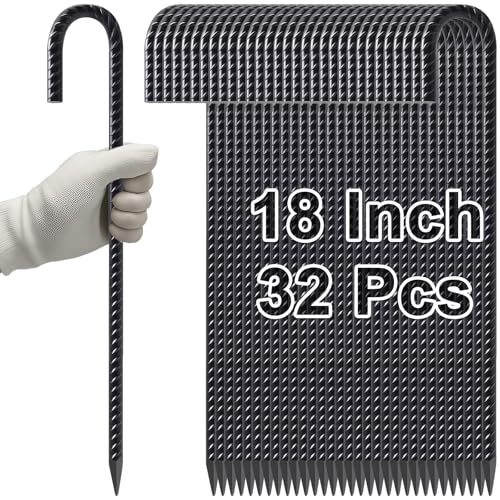 VVOKGO 18" Rebar Stakes
|
Budget | Extra-long 18" galvanized steel | Anchoring tents in soft/wet ground | Check Price | ||
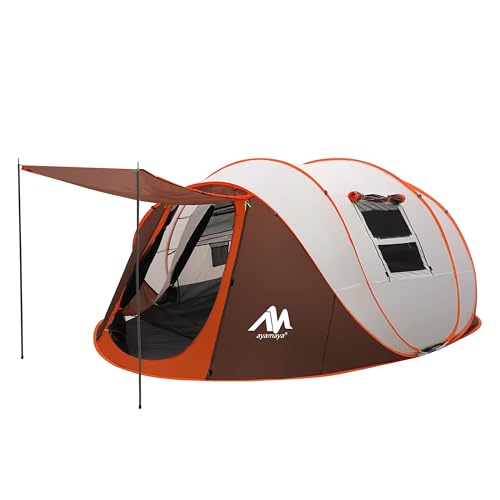 AYAMAYA 6P Pop-Up Tent
|
Premium | Double-layer design + vestibule | Quick family shelter in heavy rain | Check Price | ||
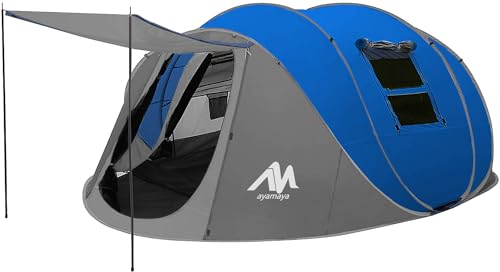 AYAMAYA 6P (Alt ASIN)
|
Premium | Instant pop-up with vents | Family car camping in rain | Check Price | ||
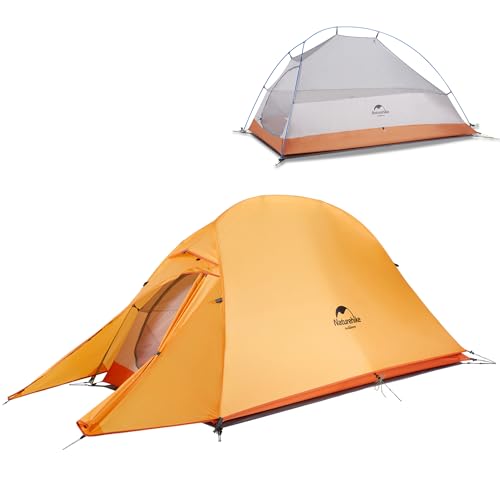 Naturehike Cloud-Up 1P
|
Mid-Range | Ultralight waterproof rainfly | Solo backpacking in rainy conditions | Check Price |
1. VVOKGO Rebar Stakes 18 Inch J Hook Heavy Duty Ground Anchors (32-Pack), 3/8" Diameter Metal Steel Extra Long Fence Stakes with Chisel Point End for Greenhouse, Gazebo, Carport, Camping Tents, Black
These 18" rebar J-hook stakes solve the most common storm failure: anchors pulling out of saturated soil. The long chisel-point design drives deep for better bite, while hot-dip galvanizing resists rust after repeated wet-season use.
Key Specs
- Length: 18 inches
- Diameter: 3/8 inch (rebar)
- Finish: Hot-dip galvanized black coating
- Pack: 32 stakes with J-hook design
Pros
- Extra length gives much stronger holding power in wet or loose soil
- Galvanized coating improves corrosion resistance for repeated rainy-season use
- Chisel point and J-hook make installation and gear tie-down easy
Cons
- Heavy compared with alpine tent stakes — not ideal for backpacking
- Some users report variability in bend resistance across batches
Best For: Anchoring tents in soft/wet ground
Check Latest Price on Amazon2. 6 Person Easy Pop Up Tents for Camping - AYAMAYA Double Layer Waterproof Instant Tent with Vestibule & Porch, Large Size Family Tent Automatic Setup for 4-6 People Camping Hiking (Poles Included)
This instant pop-up tent directly addresses storm comfort: a double-layer construction reduces condensation, heat-sealed seams and PU-coated fabric offer strong water resistance, and the vestibule keeps soggy gear out of the sleeping area. Pre-assembled poles and quick setup let you batten down fast when a sudden storm hits.
Key Specs
- Floor: 12.5 x 8.5 ft; center height 53.5"
- Fabric: PU-coated polyester (3000MM roof) and Oxford groundsheet (4000MM)
- Design: Double-layer with gap for ventilation and integrated rainfly
- Features: Vestibule, electrical cord port, four mesh windows
Pros
- Fast pop-up setup so you can shelter quickly before heavy rain
- Double-layer and vents mitigate condensation in warm, wet conditions
- Large vestibule protects gear from driving rain
Cons
- Durability is mixed; poles and seam stress reported by some users
- Bulky compared to backpacking tents — not ideal for long hikes
Best For: Quick family shelter in heavy rain
Check Latest Price on Amazon3. 6 Person Easy Pop Up Tents for Camping - AYAMAYA Double Layer Waterproof Instant Tent with Vestibule & Porch, Large Size Family Tent Automatic Setup for 4-6 People Camping Hiking (Poles Included)
This AYAMAYA variant shares the same storm-focused features: roomy interior, heat-sealed seams, and mesh ventilation that keeps wet-weather airflow moving. It solves two storm pain points — fast shelter and reduced internal condensation — while the vestibule creates a dry buffer for gear.
Key Specs
- Floor: 12.5 x 8.5 ft; center height 53.5"
- Materials: PU3000 polyester roof, PU4000 oxford groundsheet
- Design: Double-layer inner + integrated rainfly
- Features: Four mesh windows, hooded vents, large front door
Pros
- Quick deployment reduces exposure to rain during setup
- Good ventilation options to balance waterproofing and airflow
- Roomy layout fits multiple campers or a queen air mattress
Cons
- Mixed feedback on long-term durability and pole strength
- Size and weight make it better for car camping than backpacking
Best For: Family car camping in rain
Check Latest Price on Amazon4. Naturehike Cloud-Up 1 Person Tent, Lightweight Backpacking Tents for One Man, Waterproof Ultralight One Person Tent for Camping Hiking Backpacking
The Naturehike Cloud-Up solves the rainy-storm tradeoff for backpackers: low weight with a PU3000-coated rainfly and factory-sealed seams to keep you dry, plus a bathtub floor and full-coverage fly to resist wind-driven rain. Its small pack weight means you can carry a storm-ready tent without a heavy load.
Key Specs
- Weight: ~3.74 lbs (ultralight class)
- Material: Polyester rainfly with PU3000 coating; ripstop fabric
- Design: Full-coverage rainfly and bathtub floor; non-free-standing
- Hardware: YKK zippers and lightweight poles
Pros
- Very light for carrying into exposed campsites where storms hit
- Sealed seams and full-coverage fly keep interior dry in heavy rain
- Good value for solo backpackers who prioritize weight and waterproofing
Cons
- Not free-standing — needs solid staking and setup space
- Durability debated; some users question long-term fabric and pole toughness
Best For: Solo backpacking in rainy conditions
Check Latest Price on AmazonWhich One Should You Choose?
If budget is tight → VVOKGO Rebar Stakes (B0D5LZ4KX3) to upgrade anchoring — strong stakes fix the most common storm failure. If you need portable → Naturehike Cloud-Up 1 Person Tent (B07HNPT2H6) for an ultralight, waterproof solo shelter. If premium quality and fast family setup matter → AYAMAYA 6 Person Pop-Up (B0DZFTGPFL or B08HPVNBY7) gives quick shelter, room for gear and better condensation control.
Best for Specific Scenarios
- Backpacking a rainy ridge: Naturehike Cloud-Up 1 Person (B07HNPT2H6) because its sealed seams and low weight let you carry a storm-ready shelter without extra bulk.
- Car camping with family in summer storms: AYAMAYA 6P Pop-Up (B0DZFTGPFL) because instant setup, a vestibule for wet gear and double-layer design reduce leaks and condensation for multiple sleepers.
- Securing tents on saturated or soft ground: VVOKGO 18" Rebar Stakes (B0D5LZ4KX3) because the extra length and galvanized finish provide deeper hold and corrosion resistance in soggy soil.
Frequently Asked Questions
How do I stop a tent from leaking during a summer downpour?
Start with a tent that has a full-coverage rainfly and factory-sealed seams. Make sure the fly covers doors and vents, tighten guy lines to create runoff, and use a bathtub floor or a groundsheet smaller than the tent footprint to avoid channeling water under seams. If existing seams leak, re-seal them with a seam-sealer compound before your next trip.
Why does my tent get so much condensation even when it’s waterproof?
Condensation is caused by warm, humid air meeting a cooler tent surface. Waterproof fabrics block liquid but trap moisture unless the tent has adequate ventilation — roof vents, hooded vents and a double-layer gap let moist air escape while the fly keeps rain out. Crack a window or use mesh panels under the fly to reduce internal moisture.
What stakes should I use when the ground is wet and soft?
In wet or loose soil use longer, heavier stakes (like 12–18" rebar or screw anchors) and multiple guy-out points. Stake at a low angle and tension lines away from corners to distribute load. For sandy or peaty soils, use wide sand anchors or bury stuff sacks filled with rocks as deadmen anchors.
How We Selected These Products
Our recommendations are based on data-driven analysis: we evaluated 86177+ products across 8512+ brands using a composite scoring system that weighs rating (40%), review volume (30%), price value (20%), and demand signals (10%). Every product is ranked by data, not opinions.
Last updated: May 21, 2026
As an Amazon Associate we earn from qualifying purchases at no extra cost to you. Full disclosure.
GearGavel Score is our editorial ranking based on a composite analysis of product quality, value, and verified customer sentiment. Click through to Amazon for current pricing, availability, and live customer reviews.